Even years after its final chapter, Naruto continues to stir curiosity among fans new and old. While the anime brought global recognition to Masashi Kishimoto’s work, it’s the manga that delivers the rawest, most impactful version of this legendary journey. Reading Naruto is like unlocking a scroll of emotions, life lessons, and timeless battles without filler or detours. If you’re wondering whether the Naruto manga is still worth your time today, here’s everything you need to know to make the best choice.
Why the Naruto manga hits harder than the anime
If you’ve only seen the anime version of Naruto, you might assume the manga is just a black-and-white copy. That’s far from true. The manga strips away the filler, flashbacks, and pacing issues, offering a smoother, purer version of the story. Every chapter drives the plot forward. No endless waiting for action, no drawn-out battles diluted by dramatic pauses. The emotional arcs land with greater precision. When Naruto eats alone or when Sasuke turns his back on his friends, the stark black-and-white drawings convey a sense of isolation and intensity that’s harder to feel in animation. Reading it feels like tapping directly into the creator’s vision, uninterrupted and honest.
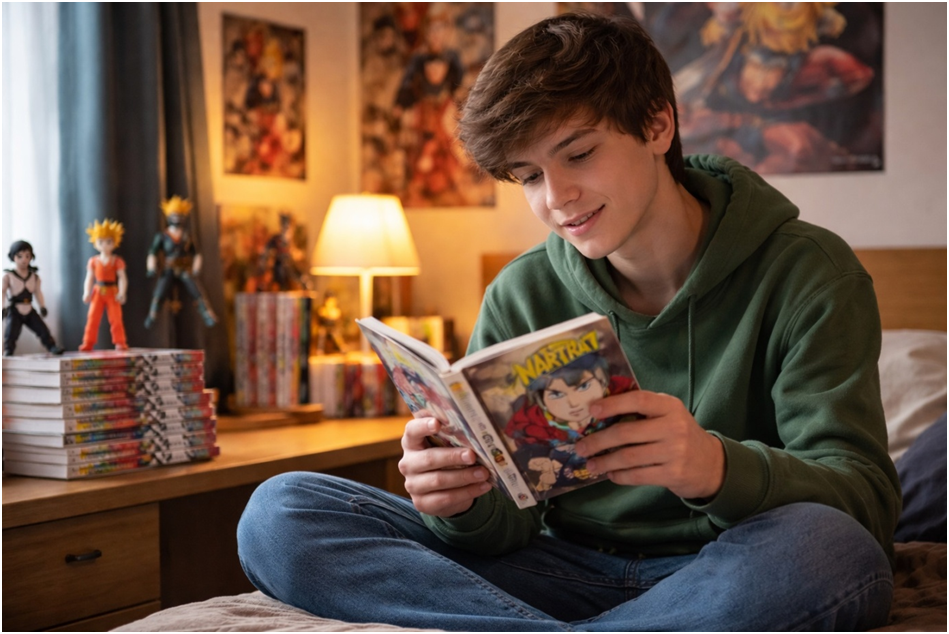
For collectors or fans of Japanese culture, browsing original artwork or owning Naruto-themed anime figures also adds another layer of immersion. You start to appreciate not just the story but its cultural weight and artistic roots.
What’s more, the manga’s tone stays consistent. No abrupt tone shifts, no extra scenes designed to pad a season. The fights, the bonds, and the philosophies they all hit faster and deeper. Even comedy scenes feel better timed in manga form. You also gain insight into the original Japanese dialogue through footnotes and translator notes. This enriches how characters express themselves especially Naruto’s famous catchphrases or Kakashi’s dry humor and creates a more intimate connection with their personalities.
Reading Naruto in 2026: is it still relevant?
Absolutely. The core messages of Naruto resilience, identity, belonging are universal. The manga remains one of the most frequently recommended shōnen works because of its philosophical undertones and character development. These aren’t just ninja stories. They’re coming-of-age tales, political allegories, and explorations of trauma and redemption. Take for example the Chūnin Exam arc. Reading it in manga form is like witnessing a strategic chess match where emotion meets intellect. The intensity builds with every page turn. You’ll spot foreshadowing you missed in the anime, and characters like Rock Lee or Gaara feel even more impactful without the distraction of background music or flash effects.
New readers also appreciate the ability to go at their own pace. Whether you’re absorbing 5 volumes in one weekend or revisiting your favorite Naruto-Sasuke showdown, the manga respects your rhythm. Collectors also often begin their journey by browsing curated selections like this page of dedicated Naruto figures that commemorate major battles and arcs. It’s a gateway to owning a piece of the story.
Who should read Naruto manga first?
Anyone who enjoys shōnen or wants to explore a story of friendship, revenge, growth, and resilience. Even if you’ve watched the entire anime, reading the manga offers a cleaner emotional experience. You won’t be bogged down by filler episodes or slow animations.
Ideal readers
- teens discovering manga
- anime fans curious about the original
- parents looking for meaningful stories
- collectors and art lovers
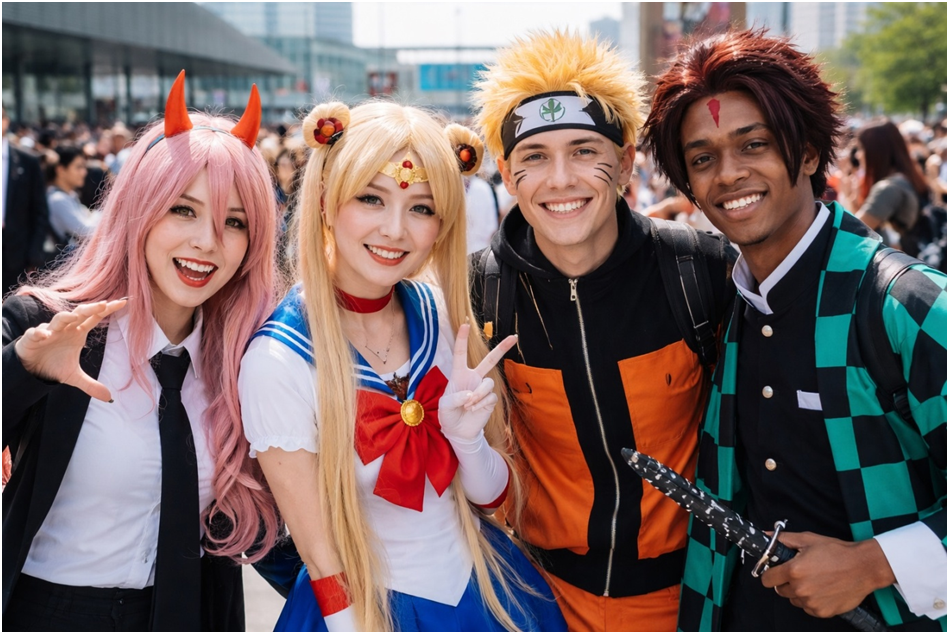
- cosplayers seeking accurate references
For those hesitant to read long series, know that Naruto rewards you with consistent pacing and layered storytelling. It’s a great entry point for manga as a medium. Every arc brings new lore, character evolution, and moral dilemmas from Itachi’s truth to Pain’s ideology.
Key differences between manga and anime
While the storylines are largely similar, there are critical differences that can reshape your perception of the Naruto universe.
1. Pacing and filler
The anime adds over 100 episodes of filler, some of which contradict the manga. These fillers dilute key messages and slow character progression. The manga version focuses solely on canon material the original vision.
2. Visual storytelling
Kishimoto’s hand-drawn panels often convey motion, expression, and atmosphere better than animation. His use of minimalism during emotional scenes forces you to pause and reflect. It’s like reading between the lines of a haiku.
3. The ending
The manga’s conclusion feels more complete. Without the flash of animation or soundtrack manipulations, you focus solely on the words and images making the finale more intimate and reflective.
How to start reading Naruto today
You can start with volume 1 and progress through the 72-volume set, available in physical or digital format. Many fans also buy collector’s box sets or read via subscription platforms. Try to read at least one full arc before judging it. The emotional investment grows exponentially with arcs like Zabuza’s Redemption, Itachi’s Confession, and The Pain Invasion. If you’re a parent, consider reading with your kids. The lessons about courage, acceptance, and perseverance are more digestible when shared. Just ensure they’re ready for some of the more intense moments in later volumes.
Final thoughts and personal insight
Reading the Naruto manga isn’t just a nostalgic trip it’s a powerful, timeless experience that brings you closer to the essence of the story. Every panel reflects emotion, philosophy, and raw storytelling power. Whether you’re a curious newcomer or a longtime anime fan, the manga offers a cleaner, deeper, and more rewarding way to explore the world of ninjas and dreams. Have you started your journey with Naruto’s pages yet?